

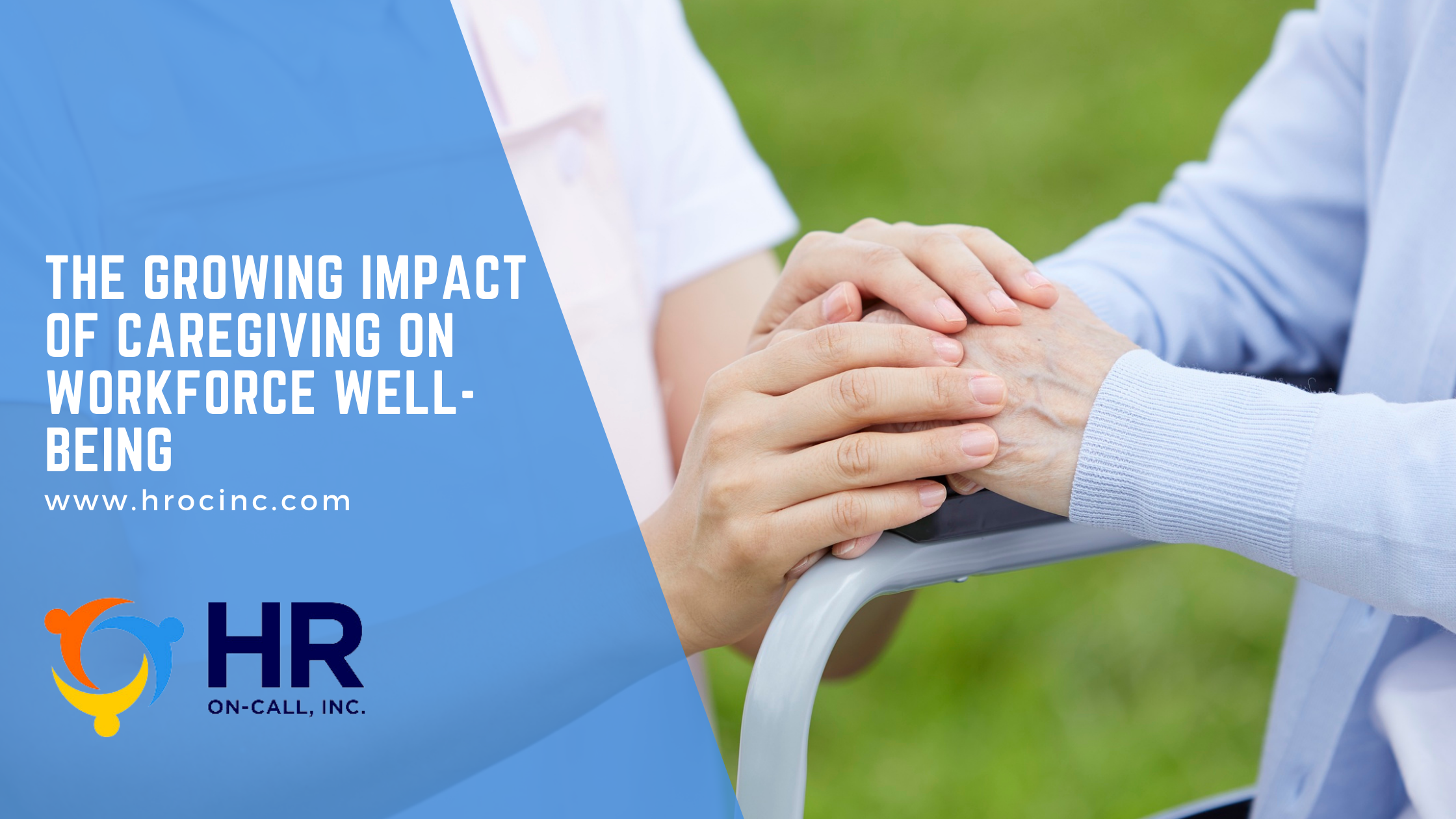
Across many organizations, a quiet but significant shift is taking place: more employees are balancing their professional responsibilities with caregiving duties at home. Whether supporting children, aging parents, or family members with health needs, caregiving has become a growing reality for a large portion of the workforce.
For employers, this trend is increasingly connected to workforce well-being, retention, and overall productivity.
Caregiving Is Becoming More Common
Demographic changes, longer life expectancies, and evolving family dynamics are contributing to a rise in caregiving responsibilities. Many employees now find themselves part of what is sometimes called the “sandwich generation,” caring for both children and older relatives at the same time.
These responsibilities can place significant emotional, financial, and logistical pressure on employees. Without adequate support, the strain may lead to burnout, absenteeism, or even decisions to leave the workforce altogether.
The Workplace Impact
Caregiving responsibilities often intersect with work schedules, travel expectations, and daily workloads. Employees may need flexibility to attend medical appointments, coordinate care services, or respond to unexpected situations at home.
When organizations do not acknowledge these realities, employees may feel forced to manage caregiving challenges alone. This can affect engagement, concentration, and long-term job satisfaction.
Recognizing caregiving as a common life responsibility—rather than a personal issue employees must solve independently—is an important step toward supporting workforce well-being.
Expanding the Definition of Employee Support
Many organizations are beginning to rethink how workplace policies can better support caregivers. Flexible work arrangements, caregiver leave policies, and access to supportive resources can make a meaningful difference.
Some employers are also exploring benefits that provide assistance with childcare, eldercare coordination, or family support services. Even small adjustments—such as flexible scheduling or remote work options—can help employees navigate competing demands.
When employees feel supported in managing their responsibilities, they are more likely to remain engaged and committed to their work.
The Role of Culture and Leadership
Policies alone are not enough. Workplace culture plays a critical role in whether employees feel comfortable discussing caregiving needs.
Leaders and managers set the tone by acknowledging these realities and encouraging open conversations. When employees feel safe requesting flexibility or support, it reduces stigma and creates a more inclusive workplace environment.
Empathy and understanding from leadership can go a long way in helping employees manage both their professional and personal commitments.
Preparing for the Future
As caregiving responsibilities continue to grow across the workforce, organizations that proactively address this challenge will be better positioned to support employee well-being and maintain workforce stability.
By recognizing caregiving as a significant part of employees’ lives, employers can design policies and cultures that allow people to succeed both at work and at home.
Ultimately, supporting caregivers is not only a matter of compassion—it is an investment in a healthier, more sustainable workforce.